
Events
Recovered Nitrogen from manURE: Enabling Farmers to Engage in the Bioeconomy
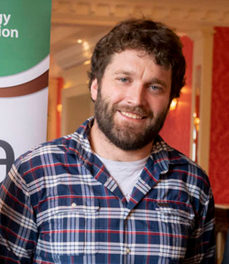
Dr Maurice Deasy will explore the potential role of RENURE in helping Irish farms manage nutrients, reduce reliance on mineral fertiliser and support a more circular agricultural bioeconomy. He speaks at 2:50pm as part of Session Four, Biomethane regulation, planning and legislative frameworks.
- Date
- Thursday 8 October 2026
- Session
- Session Four: Biomethane regulation, planning and legislative frameworks
- Session time
- 2:50pm–3:20pm
- Venue
- Killashee Hotel, Naas, County Kildare
- Speaker
- Dr Maurice Deasy, Climaticus
- Conference
- IrBEA’s 25th National Bioenergy Conference: Biomethane and Biofuel (9:30am–4:30pm)
The Challenge
Nutrient management is becoming a system-level issue
Irish livestock farms face growing pressure to manage nitrogen within the requirements of the Nitrates Directive. The baseline limit is 170 kg of livestock manure nitrogen per hectare each year. Eligible farms operating under a nitrates derogation may apply a higher amount, subject to specific conditions and ongoing regulatory requirements.
For intensive dairy systems, this creates practical pressures around nutrient storage, transport, land availability and the cost of moving slurry or manure. These are not simply individual farm compliance issues. They raise wider questions about nutrient distribution, renewable energy, investment and rural development.
RENURE: A Potential Pathway
Recovered nitrogen from manure
RENURE stands for REcovered Nitrogen from manURE. It refers to nitrogen fertiliser products recovered from manure through specified processing routes.
RENURE is being considered at European level as a route through which certain recovered nitrogen products could, subject to the applicable criteria, regulatory approvals and national implementation arrangements, be used as substitutes for mineral fertiliser.
For Ireland, RENURE may offer a potential pathway towards more circular nutrient management when combined with appropriate processing, transparent nutrient accounting and coordinated agricultural systems.
What Dr Maurice Deasy Will Cover
- Why individual farm-level nutrient export is becoming increasingly difficult and costly.
- What RENURE is, the relevant criteria and the questions that remain for implementation in Ireland.
- The potential role of nitrogen recovery within agricultural and anaerobic-digestion systems.
- How coordinated approaches may help address nutrient-management, storage and logistical pressures.
- Lessons from nutrient recovery and manure-processing approaches in Belgium and the Netherlands.
- The policy, infrastructure and collaboration needed to support credible nutrient-management solutions in Ireland.
A Systems Perspective
Beyond compliance
RENURE raises questions that extend beyond farm-level compliance. It brings together nutrient management, renewable energy, circular-economy ambitions and the future resilience of Irish agriculture.
The opportunity depends on practical infrastructure, effective regulation, verified environmental outcomes and meaningful collaboration across farming, industry and public bodies.
About Dr Maurice Deasy
Dr Maurice Deasy is co-founder of Climaticus and leads research and partnerships on agricultural energy and carbon systems. His work focuses on the systems, partnerships and evidence needed to support credible agricultural transitions.
About IrBEA
The Irish Bioenergy Association, IrBEA, hosts its annual National Bioenergy Conference for farmers, project developers, policymakers and industry leaders working across biomass, biogas, biomethane and biofuels.
IrBEA’s 25th National Bioenergy Conference takes place across two dedicated days in 2026, covering solid biomass, biomethane and biofuels. This session forms part of the Biomethane and Biofuel conference day.
Attend the conference
Join the conversation on recovered nitrogen, nutrient management and the role of circular approaches in Ireland’s agricultural bioeconomy.